
Toyzie AI: Toy Value Scanner
NineGTools
4.1191.00 Reviews
- Version
- 1.0.20
- Installs
- 100.00K
- Age Rating
- Everyone
Screenshots
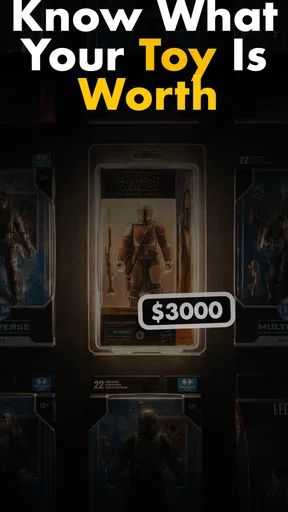
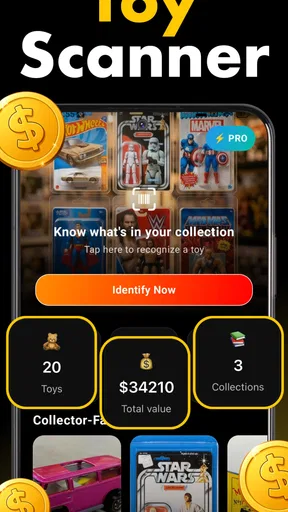
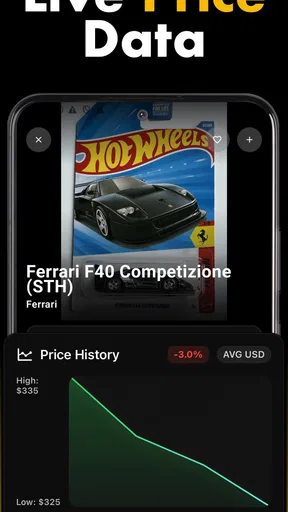
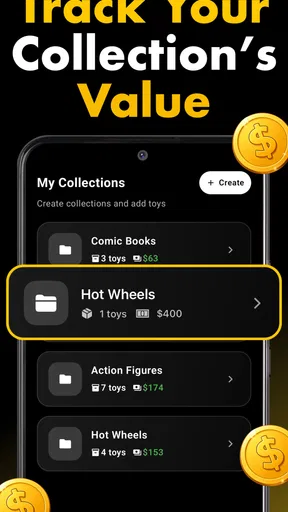
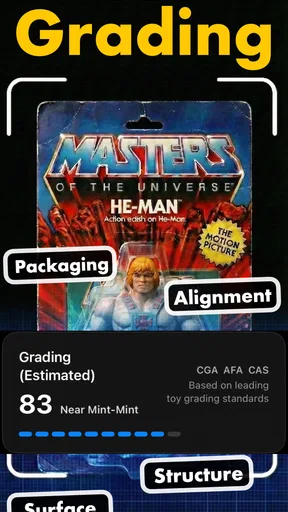
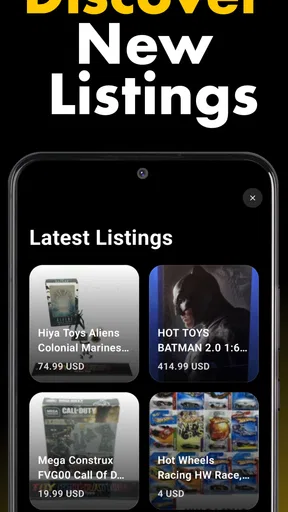
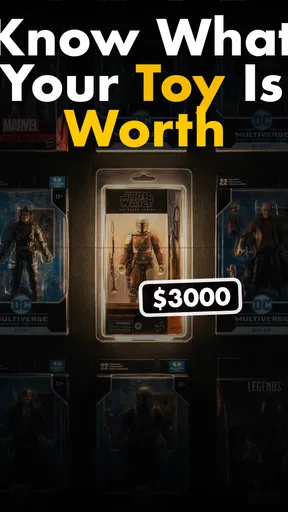
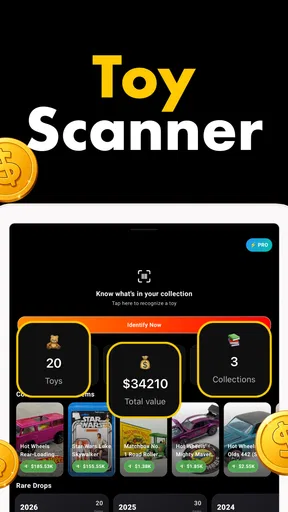
Our Review of Toyzie AI: Toy Value Scanner
 Analysis by Appyee
I approached Toyzie AI: Toy Value Scanner as a practical tool for collectors rather than as a magic price oracle. Its purpose is straightforward: use a phone camera to scan a collectible toy, help identify what is in front of you, and provide an estimated sense of value. That combination is appealing when a box of old toys is waiting to be sorted, but it also creates an important trust question: how much confidence should I place in an automated result before making a buying, selling, or insurance decision?
My short answer is that Toyzie AI is most useful as a first-pass assistant. It can help turn an unorganized pile into a list of items worth researching, and it may save time compared with manually searching every logo, character, and release variation. I would not treat one scan as final proof of authenticity, rarity, or market price. The app is better at directing attention than replacing careful collector research.
It is a free tools app from NineG, rated for Everyone, and it runs on Android devices using version 7.0 or later. The current version is 1.0.20. Its store summary focuses on scanning, identifying, and valuing collectible toys with AI, while the shorter store label is simply Toyzie AI. That narrow focus makes the app easy to understand, but the quality of its conclusions depends heavily on what I show the camera and how distinctive the toy is.
What I found when judging the app as a collector’s first step
I see Toyzie AI as a collector’s first step, not a final authority: it can help turn an unfamiliar toy into a focused research question. The useful next habit is to decide what evidence would confirm the match before letting an appealing estimate shape your expectations. That distinction matters most when a quick scan leads into a closer look at how the app handles a demanding sorting session.
A useful bridge between a camera and a research session
The strongest idea here is not that the app can settle a toy’s exact worth. The stronger idea is that it can reduce the effort needed to begin. A collector may recognize a familiar character but not know which edition, accessory set, scale, or packaging variation is being held. A visual scanner can provide a starting description that makes later research more focused.
That matters in ordinary situations. Imagine clearing a family storage cupboard and finding several loose action figures, a few boxed vehicles, and a handful of small accessories. Without a system, I might photograph everything, open multiple search tabs, and compare images one item at a time. With Toyzie AI, I would scan the clearest pieces first, write down the suggested identities, and then verify the details using the toy itself, its packaging, and current marketplace evidence.
I would especially use it for triage. The first pass is about deciding which objects deserve ten minutes of research and which are common enough to sort into a general lot. That is a more realistic role than expecting the app to understand every production variation immediately.
Why the camera setup affects trust
AI identification is only as dependable as the visual information it receives. A toy photographed inside a reflective plastic case, under a yellow lamp, or beside several similar objects gives the scanner a difficult job. Small marks can also matter: a copyright line, a manufacturer stamp, a paint variation, a country mark, or a missing accessory may change the identity and value.
My practical advice is to scan one item at a time against a plain background. Start with a full view, then try a second image that shows the front, logo, or packaging text more clearly. If the result looks too confident despite an obviously incomplete view, I would slow down rather than accept it. The app should help me form a hypothesis, not encourage me to skip inspection.
A particularly useful workflow is to separate identification from valuation. First ask, “What might this be?” Then check whether the suggested item actually matches the sculpt, colors, markings, included parts, and packaging. Only after that should I consider the value estimate. This two-stage habit prevents an attractive number from influencing my judgment before I know whether the identification is correct.
Where a scanner can outperform casual searching
Compared with a normal web search, Toyzie AI has a clear convenience advantage when I do not know the right words to type. Searching for “blue robot toy” produces a huge range of unrelated results. A camera-based tool can at least attempt to connect the visible shape and branding with a more specific name.
That advantage is greatest with recognizable toys that have visible branding or a distinctive design. It becomes less convincing with generic figures, heavily customized items, incomplete sets, handmade pieces, or toys whose value depends on a subtle variant. In those cases, a collector database, specialist forum, auction archive, or direct comparison with completed sales may be the better second step.
I also see a benefit for people who are helping relatives sort collections. Someone who did not grow up with a particular toy line may not know which details matter. A suggested identification gives them vocabulary for further investigation. It does not remove the need for judgment, but it makes the first conversation much easier.
Trust begins with visible choices, not confident wording
Because the app uses AI to analyze toy images, I would pay attention to every visible permission request and any screen that explains how a scan is handled. The important question is not whether the result sounds certain. It is whether I can understand what the app is asking to access and make a deliberate choice before continuing.
I would grant camera access only when I am ready to scan, rather than treating it as a reason to leave access enabled permanently. If the operating system offers a limited or temporary choice, that is the option I would prefer. After finishing a sorting session, I would review the app’s permissions in Android settings and remove camera access if I no longer need it.
I would also avoid placing unrelated personal material in the frame. A scan should show the toy, not a shipping label, family photograph, handwritten address, or collection spreadsheet. This is a simple but often overlooked habit: a clean background improves recognition and reduces the amount of incidental information captured in an image.
The moments when data sensitivity matters most
Scanning a toy at a desk is different from scanning a collection in a child’s bedroom, at a seller’s home, or during an estate clear-out. The surrounding image may contain people, private rooms, labels, or documents. Even when I am focused on valuation, the camera sees more than the object unless I deliberately control the frame.
For that reason, I would use a neutral surface and crop the subject as tightly as practical. I would not scan while another person’s face or identifying paperwork is visible. If I were helping someone else catalog a collection, I would explain what I was doing before taking pictures and avoid treating the app as a reason to photograph the entire room.
There is another sensitive moment when value estimates influence a transaction. If the app suggests that a toy is worth a substantial amount, I would not immediately advertise it at that figure or pay that amount for it. I would confirm the exact version, condition, completeness, and recent comparable sales. A scan can be a useful alert that an item deserves attention, but it is not a substitute for evidence.
How I would handle uncertain or surprising results
When an identification seems wrong, I would not keep repeating the same scan from the same angle and assume the next answer must be better. I would change the input: remove glare, show the back, include a visible logo, separate accessories, or photograph the packaging text. If the object is incomplete, I would treat any value suggestion as especially tentative.
A surprising result deserves a verification trail. I would save the scan’s wording for my own notes, photograph the relevant markings, and compare the item with reliable collector references. I would also distinguish between a toy’s advertised asking price and what similar examples actually sell for. Those numbers can differ widely, especially when condition and completeness are involved.
This is one of the app’s main trade-offs. Speed encourages volume, while trustworthy collecting requires patience. Toyzie AI can make the first stage faster, but the more valuable the item appears to be, the more important the slower stages become.
What user control looks like in everyday use
User agency here is practical rather than dramatic. I decide which toy to scan, what appears in the frame, whether to accept a permission request, and whether to act on the result. I would keep those decisions separate from the app’s presentation. A polished answer is still only an answer generated from the image provided.
I would also avoid turning a family collection into a rushed inventory project. For a large group of toys, I would work in small batches and label my own notes with the physical item’s location. That prevents a common mistake: receiving a plausible identification, then forgetting which loose figure or accessory it referred to later.
For sellers, this matters even more. I would use the app to create a shortlist, then inspect every candidate before writing a listing. The final description should mention visible condition, missing parts, repairs, and packaging honestly. An AI suggestion can help me discover a product name, but it should not become an excuse to overstate certainty to a buyer.
Where the free model fits, and where to be careful
Toyzie AI is free to install, which makes experimenting with a small personal collection relatively easy. The app also includes in-app purchases ranging from $4.99 to $39.99 per item. That means I would pay close attention to what is available without payment and what action leads to a purchase screen before committing to a larger cataloging session.
For occasional use, I would begin with a few representative toys and judge whether the results are accurate enough for my collection. I would not purchase an upgrade simply because one scan produced an exciting estimate. The sensible test is whether the app consistently helps me identify items that I could not easily name myself.
Families should also agree on purchasing controls before handing the phone to a child. The Everyone age rating describes the app’s content suitability, but it does not mean every purchase decision should be left unattended. A parent or account holder should remain responsible for any paid option, particularly during a long scanning session.
Who will get the most from this tool
I think the app is a good fit for new collectors, parents sorting inherited toys, casual sellers, and anyone facing a mixed box of branded figures. It is also useful for people who know that an item might be interesting but lack the vocabulary to start researching it. The camera-first approach lowers that initial barrier.
It is less suitable as the only tool for professional appraisers, serious investors, or collectors dealing in rare variants where a tiny production detail determines the price. Those users need documented provenance, specialist references, condition grading, and market comparisons. A fast AI result may still help with organization, but it should sit at the beginning of their process rather than the end.
I would also skip relying on it for toys that are badly damaged, heavily repainted, assembled from mixed parts, or photographed in poor conditions. In those cases, the central problem is not finding a broad category; it is proving exactly what the object is and how complete it remains.
My practical routine for safer, better scans
I place one toy on a plain, well-lit surface and keep unrelated objects outside the frame.
I capture the clearest overall view first, then inspect the markings, packaging, accessories, and condition myself.
I treat the app’s identification as a lead and compare it with the physical details before considering value.
I record the item’s location and condition in my own notes so a large collection does not become mixed up.
I verify any valuable-looking result through specialist references or comparable completed sales before buying or selling.
This routine adds only a little time, but it protects against the most damaging mistake: confusing a plausible name with a confirmed match. It also makes the app more useful because each scan becomes part of an organized research process instead of an isolated guess.
How it compares with the alternatives I would normally use
A general image search is still better when I want to compare many visual examples side by side. A text search is better when I already know the manufacturer, line, or model number. Collector communities are better when the question involves unusual variants, repairs, factory errors, or regional releases. Marketplace research is better when I need a realistic sense of what buyers are actually paying.
Toyzie AI occupies the gap before those tools. It is faster than beginning with a blank search box and more focused than browsing random image results. Its weakness is that the convenience can make the result feel more authoritative than it deserves. I would use it as an entry point, then switch tools as soon as the question becomes specialized or financially important.
My cautious verdict
Toyzie AI is a promising practical helper for the messy first stage of toy collecting. I like the idea of pointing a phone at an unfamiliar item and receiving a research direction instead of spending several minutes guessing search terms. Its strongest value is time saved during sorting, especially when a collection contains many ordinary pieces mixed with a few potentially noteworthy ones.
My recommendation comes with a clear boundary: use the scan to decide what to investigate, not to decide what something is worth by itself. Keep the camera pointed only at the intended object, review permissions deliberately, avoid exposing private surroundings, and verify important results through independent evidence.
The app is free, has an Everyone rating, and comes from NineG, with an average rating of 4.1 from around 1.5 thousand ratings and over 100 thousand installs. Those figures suggest that it has found an audience, but they do not answer the question that matters most for an individual collector: whether its suggestions are dependable for that person’s particular toys.
In my view, that makes the right expectation simple. If you want a quick assistant for naming and sorting collectible toys, I would give Toyzie AI a careful trial. If you need formal appraisal-level certainty, documented market evidence, or detailed authentication, I would pair it with specialist research rather than rely on it alone. Used with that restraint, Toyzie AI: Toy Value Scanner can be a genuinely convenient first move without taking control away from the person holding the collection.
Verdict
Strengths of Toyzie AI: Toy Value Scanner
- Quickly identifies many toys from a single photo
- Useful for checking approximate resale or collectible value
- Simple interface makes scanning easy for beginners
- Can help organize and research an existing toy collection
- Convenient reference tool when shopping or selling toys
Limitations of Toyzie AI: Toy Value Scanner
- Recognition may be inaccurate for rare or similar-looking toys
- Estimated values can change with condition and market demand
- Some features may require an account or subscription
- Photo quality and lighting strongly affect scan results
- Coverage may be limited for regional or newly released toys
Other Releases by NineG
View All
AI Song Generator - Mozart
Music & Audio4.2
Similar Picks in This Category
View All
Google LLC4.0

Gboard - the Google Keyboard
Google LLC4.5

Google Play services
Google LLC4.3

Google Play Store
Google LLC4.9

Files by Google
Google LLC4.5

SHAREit: Transfer, Share Files
Smart Media4U Technology Pte.Ltd.4.3
Frequently Asked Questions
What is Toyzie AI: Toy Value Scanner, and how does it work?
Toyzie AI: Toy Value Scanner is designed to help users identify toys and estimate their potential market value using artificial intelligence. You typically take or upload a photo of a toy, and the app analyzes visible details such as its appearance, brand, model, and condition. Results should be treated as helpful estimates rather than official appraisals, especially for rare or collectible items.
Can Toyzie AI accurately identify every toy and provide its exact value?
No scanning app can guarantee perfect identification or an exact price for every item. Toyzie AI may perform well with recognizable products, but results can be affected by poor lighting, missing accessories, packaging, unusual editions, or limited information. The estimated value may also differ from real selling prices, which depend on condition, demand, location, completeness, and whether the toy is actually sold rather than merely listed.
What information should I provide for the best scanning results?
For more reliable results, photograph the toy in good lighting and make sure the entire item is visible and in focus. Include important markings, logos, model numbers, packaging, labels, and accessories when possible. If the toy has damage, missing parts, or signs of wear, showing those details can make the estimate more realistic. Multiple clear images may be more useful than one distant photograph.
Is Toyzie AI: Toy Value Scanner free to use, or does it include paid features?
The app may offer free access to some scanning or identification tools while reserving additional scans, detailed reports, valuation features, or other conveniences for in-app purchases or a subscription. Pricing and limits can change between Android and iOS versions and over time. Before starting a trial or confirming payment, review the store listing and subscription terms carefully, including renewal and cancellation conditions.
Can I rely on Toyzie AI’s estimates when selling or insuring a collectible toy?
Toyzie AI can be a useful first step for organizing a collection, discovering possible toy identities, and obtaining a general price range, but it should not be your only source for important financial decisions. For expensive, rare, signed, vintage, or potentially authentic collectible items, compare completed sales from reputable marketplaces and consider advice from a specialist appraiser. Keep records of condition, provenance, packaging, and accessories.
